Table of Contents
Your belt is the quiet architect of your professional silhouette. While colleagues and clients might never consciously register it, this unassuming strap of leather pulls your entire look into sharp focus—or subtly undermines it with cracks, discoloration, or a mismatched buckle. In the calculus of executive presence, where every detail telegraphs competence and care, a quality leather belt delivers disproportionate returns on investment. This year, as hybrid work solidifies and professional dress codes continue their quiet evolution, understanding what separates an exceptional belt from a mediocre one has never been more critical. Let’s decode the craftsmanship, strategy, and subtle psychology behind the leather belts that truly serve ambitious professionals.
Top 10 Leather Belts For Professionals


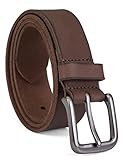


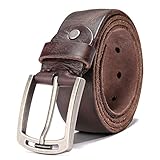

Detailed Product Reviews
Why Your Belt Makes or Breaks Your Professional Image
A leather belt operates in the background of your wardrobe, yet it performs three essential functions simultaneously. First, it provides the practical foundation that keeps your trousers sitting precisely where they should—neither sagging distractingly nor cinched uncomfortably. Second, it creates a horizontal line that visually balances your proportions, particularly important in an era of video calls where only your torso is visible. Third, and most powerfully, it signals attention to detail that transcends clothing. When a senior partner notices your precisely matched leather and metal finishes, they register a mindset: this is someone who sweats the small stuff. That impression compounds over time, becoming part of your professional reputation.
Leather Grades Demystified for the Discerning Professional
The term “genuine leather” has become one of fashion’s most misleading phrases, creating a fog of confusion that separates consumers from true quality. Understanding leather grading isn’t about snobbery—it’s about recognizing value and durability. The hierarchy begins with how deeply the leather has been processed and altered from its natural state, which directly impacts how the belt will age, respond to stress, and complement your wardrobe over years of wear.
Full-Grain Leather: The Executive’s Choice
Full-grain leather represents the entire thickness of the hide’s top layer, complete with all its natural grain patterns, tiny imperfections, and dense fiber structure. This material hasn’t been sanded or buffed to remove marks, which means it develops a rich patina that tells your unique story—oils from your hands, subtle scratches from daily wear, and a deepening color that reflects your environment. For professionals, a full-grain belt is a silent testament to longevity and authenticity. It might cost three times more upfront, but its lifespan measured in decades rather than years makes it the most economical choice for those playing the long game.
Top-Grain Leather: The Pragmatic Professional’s Sweet Spot
Top-grain leather has been lightly sanded to remove surface imperfections, then typically finished with a protective coating. This process creates a more uniform appearance while preserving most of the strength and character of full-grain. For professionals in client-facing roles where pristine appearance matters daily, top-grain offers a compelling middle path: it maintains excellent durability while resisting the natural marking that some might find too casual for formal business settings. The smooth, consistent finish photographs beautifully and pairs seamlessly with modern suit fabrics.
Genuine Leather: Understanding the Misnomer
Here’s where marketing language becomes deliberately deceptive. “Genuine leather” sounds premium, but it actually describes the third tier: leather created from the remaining layers after the top has been split off. These fibers are often pressed together with adhesives, coated with a polyurethane surface, and embossed to mimic grain patterns. While technically leather, it lacks the tensile strength and aging characteristics that make premium belts worthwhile. For professionals, a genuine leather belt often shows its limitations within a year—cracking at stress points, fading unevenly, and losing its structural integrity.
Bonded Leather: The Professional’s Kryptonite
Bonded leather barely qualifies as leather at all. Manufacturers shred leftover leather scraps into a pulp, mix them with binding agents, and roll the mixture into sheets. The result might look passable on day one, but it quickly delaminates, peels, and fails catastrophically. In professional contexts, a failing belt creates an emergency—imagine your belt cracking during a presentation or client dinner. The embarrassment far outweighs any initial savings. Consider bonded leather a non-starter for anyone serious about their professional image.
The Anatomy of a Belt: What Separates Premium from Poor
A belt’s quality reveals itself in details most purchasers never examine. Flip any belt over and study the backside—this tells the real story. Premium belts use a single piece of leather throughout, while lesser versions glue a thin leather facing to a fiber or leather-board core. The edges offer another clue: quality belts have either naturally burnished edges where the leather fibers have been compressed and sealed, or precisely painted edges using edge paint that flexes with the leather. Cheap belts leave raw, unfinished edges that fray and absorb moisture.
Buckle Mechanics and Professional Appropriateness
The buckle functions as your belt’s handshake—it’s often the first detail people notice up close. Frame-style buckles with a prong and holes represent the business standard for their clean lines and reliability. Plate-style buckles, common in Western wear, generally feel too casual for corporate environments. Box-frame and O-ring buckles occupy a middle ground suitable for creative industries or business casual settings. For maximum versatility, look for a buckle with a removable mechanism—this allows you to swap buckles if your metal finishes change or if you want to refresh the look without replacing the entire belt.
Width Wisdom: Finding Your Perfect Measurement
Professional belts typically measure between 1.25 and 1.5 inches wide. This range balances functionality with proportion—narrower than 1.25 inches appears insubstantial with modern suit trousers, while wider than 1.5 inches pushes into casual territory and may not fit through standard dress pant loops. Your body type should guide the specific choice: broader builds benefit from the visual weight of a 1.5-inch belt, while slimmer frames appear more balanced with 1.25 inches. Always measure a current belt from the fold near the buckle to the hole you use most—this gives your true size, which often differs from pant size.
Stitching, Edges, and Hardware Details
Run your thumbnail across the stitching on a quality belt—it should feel recessed slightly into the leather, indicating the thread sits below the surface where it won’t abrade. Stitching should be consistent, with 6-8 stitches per inch being the sweet spot for strength and aesthetics. Hardware should be solid metal, not hollow or plated plastic. Test the buckle’s weight in your hand; it should have heft. The keeper loop (the small loop that holds the belt tail) should be stitched, not just glued—this is a common failure point on cheap belts.
Color Strategy: Beyond Basic Black and Brown
Color choice operates at the intersection of wardrobe coordination and psychological signaling. Black belts project authority, precision, and formality—they’re the default for legal, financial, and formal corporate environments. Brown belts, in their various shades, communicate approachability, stability, and classic style. But the strategy extends beyond this binary choice.
The Psychology of Belt Colors in Business
Different browns send distinct messages. A deep chocolate brown suggests traditional reliability and pairs beautifully with navy suits. Medium chestnut feels more contemporary and works well with gray and tan ensembles. Burgundy or oxblood belts, when executed in premium leather, signal confident style knowledge without sacrificing professionalism—they’re particularly effective in creative industries, consulting, and client-facing tech roles. Tan belts belong almost exclusively to business casual settings and summer months; wearing one with a dark winter suit creates a jarring seasonal disconnect.
When to Venture Beyond Neutrals
Navy leather belts offer sophisticated versatility that many professionals overlook. They create a tonal, monochromatic look with navy suits that feels intentional and modern. Gray belts work exceptionally well with charcoal and light gray suits, providing subtle contrast without the starkness of black. Reserve exotic colors—green, blue, red—for business casual environments where personal expression is valued. Even then, ensure the color is deep and muted rather than bright and flashy.
The Matching Manifesto: Coordination Without Compromise
The old rule—“match your belt to your shoes”—remains sound, but requires modern interpretation. Exact matching creates a studied, sometimes stiff appearance. Instead, aim for harmonious coordination within the same color family. Black shoes demand a black belt, but brown shoes allow for shade variation that adds depth to your outfit. Your belt can be slightly lighter or darker than your shoes; what matters is that they clearly belong to the same color conversation.
The Golden Shoe-Belt Rule Explained
For black shoes, the match must be exact—there’s no room for interpretation. With brown shoes, you have latitude. Wearing walnut shoes? A medium chestnut belt works perfectly. The key is avoiding jarring contrast: don’t pair light tan shoes with a dark chocolate belt, or vice versa. The leathers should also share similar finish characteristics—pair burnished shoes with burnished belts, polished with polished, suede with suede. This creates visual coherence that registers as style competence.
Metal Matching: Watches, Buckles, and Accessories
Your belt buckle metal should echo your watch case, wedding ring, cufflinks, and any briefcase hardware. Mixed metals create visual discord that undermines an otherwise polished appearance. If you wear a stainless steel watch, choose a brushed nickel or chrome buckle. Yellow gold watch? Opt for a gold-tone buckle. Rose gold has become increasingly popular and pairs beautifully with warm brown leathers. For maximum versatility, many professionals build their collection around one metal family—typically silver tones—ensuring everything coordinates seamlessly.
Business Formal vs. Business Casual Belt Guidelines
The pandemic permanently blurred dress codes, creating a new spectrum of professional attire. Business formal now means traditional suits in conservative industries—here, stick to frame-style buckles in black or dark brown, with minimal ornamentation. The leather should be smooth and polished, not textured or overly casual. Business casual introduces more flexibility: you can explore suede belts, slightly wider profiles, and more distinctive buckles. However, resist the temptation to go too casual—a braided leather belt or one with conspicuous branding still feels out of place in most professional settings, even on Fridays.
Investment Thinking: Calculating True Value Over Time
A $200 full-grain belt worn 200 days per year for ten years costs ten cents per wear. A $40 genuine leather belt that fails after 18 months costs seven cents per wear—but introduces risk, looks progressively worse, and requires shopping time. More importantly, the premium belt enhances every outfit you wear, contributing to the impression you make in meetings, interviews, and presentations. Calculate value not just in durability but in confidence and consistency. A belt that always looks right becomes an invisible asset, while a problematic one becomes a recurring distraction.
Care and Maintenance: Protecting Your Leather Assets
Premium leather belts require minimal but consistent care to age beautifully rather than deteriorate. The enemies are moisture, extreme dryness, and improper storage. A well-maintained belt develops character that enhances its appearance; a neglected one simply looks worn out.
Daily Habits That Extend Belt Life
Always rotate your belts, allowing at least 24 hours of rest between wears. This lets the leather fibers recover their shape and release absorbed moisture. When removing your belt, avoid yanking it through the loops—this stresses the leather and stretches the holes. Instead, unbuckle first, then gently thread it out. Hang belts vertically on a proper rack or roll them loosely; never fold them sharply or leave them in a heap. If your belt gets wet, let it air dry naturally away from heat sources—never use a hairdryer or radiator.
Seasonal Deep Care Routine
Every three months, clean your belt with a slightly damp cloth to remove surface dirt and oils. Apply a quality leather conditioner sparingly—about a dime-sized amount for an entire belt—using circular motions. Let it absorb for fifteen minutes, then buff gently with a clean cloth. This prevents cracking and maintains the leather’s suppleness. For black belts, consider a pigmented cream polish once a year to refresh color and cover minor scuffs. Brown belts benefit from neutral polish that maintains depth without altering the shade. Store out-of-season belts in breathable cotton bags, not plastic, which traps moisture.
Quick Quality Assessment: The 60-Second Belt Test
In a store, you can evaluate belt quality rapidly. First, bend the belt gently; it should flex smoothly without creasing sharply. Poor leather develops white stress lines immediately. Second, examine the edges—they should feel smooth, not rough or fuzzy. Third, check the backside: if it’s suede-like and consistent, you’re likely looking at quality leather. If it feels plasticky or shows a different material underneath the top layer, walk away. Fourth, inspect the buckle attachment—quality belts use screws rather than flimsy snaps that loosen over time. Finally, smell the leather; premium leather has a rich, earthy scent, while cheap leather smells chemical or synthetic.
Wardrobe Building: A Phased Approach to Belt Collection
Building a professional belt collection strategically prevents wasted purchases and ensures you’re prepared for any business scenario. Think in phases rather than buying randomly.
Phase 1: The Essential Foundation
Start with two belts: one black and one medium brown, both in full-grain or high-quality top-grain leather, with simple frame buckles in your primary metal finish. These handle 95% of professional situations. Choose versatile shades—black should be deep and true, brown should be medium enough to work with most brown shoes. This foundation serves you whether you’re interviewing, presenting to the board, or attending a client dinner.
Phase 2: Industry-Specific Additions
Once the foundation is established, add a third belt tailored to your industry’s dress code. In conservative fields like law or finance, consider a dark chocolate brown for variety. In creative or tech environments, a burgundy or oxblood belt adds personality. If you frequently wear business casual, a quality suede belt in a versatile shade expands your options. This third belt should reflect your specific professional context rather than generic advice.
Phase 3: The Refined Collection
With three core belts in rotation, you can thoughtfully add specialized pieces. A tan belt for summer business casual, a navy belt for tonal suiting, or a textured leather like pebble grain for visual interest. At this stage, consider a belt with interchangeable buckles to maximize versatility. Each addition should fill a specific gap in your wardrobe, not just duplicate existing function in a slightly different shade.
Frequently Asked Questions
How do I know if my belt is full-grain or genuine leather?
Look at the backside of the belt. Full-grain leather shows natural fiber texture and slight variations, while genuine leather often has a uniform, suede-like backing glued to a composite core. The price point is also telling—authentic full-grain belts rarely retail under $100 due to material costs. Most importantly, bend the belt sharply; full-grain develops subtle character lines while genuine leather shows white stress marks and may crack.
What’s the proper way to measure belt size?
Never use your pant size. Instead, measure a belt you currently wear from the fold at the buckle end to the hole you use most frequently. Alternatively, add 2-3 inches to your pant size for dress belts worn at the waist, or 4 inches for casual belts worn lower on the hips. When trying on new belts, the prong should fit comfortably in the middle hole, giving you adjustment room in both directions.
Can I wear a brown belt with black shoes?
In traditional business settings, this remains a faux pas. The contrast creates visual discord that undermines polish. However, in creative or business casual environments, a very dark brown belt with black shoes can work if the shades are close enough to read as intentional. The safer path is to invest in both black and brown belts—this eliminates guesswork and ensures you always look appropriately dressed.
How often should I condition my leather belts?
Every three to four months with normal wear, or monthly if you live in a very dry climate or wear the same belt daily. Over-conditioning is as damaging as neglect—it saturates the leather, making it soft and prone to stretching. A thin layer of quality conditioner applied sparingly is sufficient. Always test on the belt’s interior first to ensure the product doesn’t darken the leather undesirably.
Is it worth buying belts with interchangeable buckles?
Absolutely, particularly for professionals building their wardrobe strategically. A quality leather strap with a removable buckle mechanism effectively gives you multiple belts for the price of one. You can switch between silver and gold buckles to match different watch metals, or swap a formal frame buckle for a slightly more casual plate style. Just ensure the mechanism is robust—look for screw-based systems rather than flimsy snaps.
What’s the difference between dress belts and casual belts?
Dress belts are typically narrower (1.25-1.375 inches), feature frame-style buckles, and use smooth, polished leather in conservative colors. Casual belts are wider (1.5-1.75 inches), may have more decorative buckles, and employ textured leathers like suede, pebble grain, or even woven designs. The leather is often more rugged and the stitching more pronounced. In modern hybrid work environments, some belts blur these lines.
How many belts does a professional really need?
Three quality belts cover virtually all scenarios: black, medium brown, and a third choice reflecting your industry (burgundy for creative fields, dark brown for conservative environments, or suede for business casual settings). This small rotation, properly maintained, serves better than a dozen mediocre belts. Focus on material quality and versatility rather than quantity.
Why do my belt holes stretch and how can I prevent it?
Stretching occurs when belts are worn too tightly or made from low-quality leather lacking structural integrity. Always buy the correct size so you’re not pulling the belt to its limit. Rotate belts to prevent daily stress on one piece. When storing, hang vertically rather than wrapping tightly. For leather that’s started to stretch, move to the next tighter hole and consider having a cobbler add a new hole rather than continuing to stress the stretched one.
Can I repair a cracked leather belt?
Surface cracks can sometimes be masked with leather conditioner and polish, but deep cracking indicates structural breakdown that can’t truly be reversed. Cracking means the leather’s fibers have dried and separated beyond repair. At this point, replacement is the only option. Prevention through regular conditioning is far more effective than attempted repair. Consider a cracked belt a warning sign to upgrade your maintenance routine for remaining pieces.
What’s the best belt for video conference calls?
Choose a belt that creates clean, uninterrupted lines in your torso’s lower third. Matte finishes reduce glare from office lighting and camera flashes. Stick to medium widths (1.25-1.375 inches) that proportion correctly on screen. Avoid highly reflective buckles or exotic textures that draw attention away from your face. Black or dark brown work best on camera, as lighter shades can create harsh contrast. Most importantly, ensure the belt fits perfectly—slouching or adjusting during calls reads as discomfort and distraction.