Table of Contents
That moment when you pull off your winter scarf and your hair defies gravity—standing on end like you’ve just touched a Van de Graaff generator—isn’t just annoying, it’s a daily winter battle. Winter static electricity turns simple wardrobe choices into high-stakes decisions, leaving you feeling less polished and more… electrified. As we head into 2026, the intersection of fabric technology and timeless style offers better solutions than ever before, with cotton scarves emerging as the unexpected heroes in this seasonal war.
The beauty of solving winter static with cotton scarves lies in the science of natural fibers working with your body rather than against it. Unlike synthetic materials that actively generate electrical charges through friction, quality cotton creates a harmonious relationship with your skin and hair, dramatically reducing those crackling surprises. This guide dives deep into everything you need to know—from the microscopic properties of cotton weaves to the macro styling decisions that keep you looking sophisticated while staying shock-free.
Top 10 Cotton Scarves For Static
Detailed Product Reviews
1. XRDSS Summer Cotton Blend Crinkle Vintage Soft Scarf with Fringed Edges 35" × 70" (White)
 Cotton Blend Crinkle Vintage Soft Scarf with Fringed Edges 35" × 70" (White)](https://m.media-amazon.com/images/I/31Wq0+Ye2IL._SL160_.jpg)
Overview: The XRDSS Summer Cotton Blend Crinkle Vintage Scarf delivers breezy elegance in a generous 35"×70" silhouette. Crafted from a lightweight cotton blend with a distinctive crinkled texture and fringed edges, this unisex accessory transitions effortlessly from spring mornings to summer evenings. Its oversized dimensions allow creative styling as a traditional scarf, shoulder-wrapped shawl, or even an impromptu picnic blanket.
What Makes It Stand Out: The vintage-inspired crinkle finish sets this apart from flat-weave alternatives, creating visual interest without overwhelming outfits. The fringed edges add artisanal charm while the breathable cotton blend ensures comfort during warm weather. Its true versatility shines through its unisex design and multifunctional size—few scarves legitimately double as picnic blankets while maintaining style credibility.
Value for Money: Positioned competitively against similar oversized scarves, this piece offers excellent utility per dollar. Pure cotton scarves of comparable size typically cost 20-30% more, while the blend maintains softness while improving durability. The ability to serve multiple functions eliminates need for separate shawls or travel blankets.
Strengths and Weaknesses: Strengths include exceptional breathability, versatile sizing, timeless aesthetic, and practical fringe detailing. The cotton blend resists overheating better than synthetic alternatives. However, the crinkle texture may appear too casual for formal settings, and fringes require careful handling to prevent tangling in washing machines. The “white” color may be slightly sheer.
Bottom Line: Ideal for travelers and minimalists seeking one accessory that performs multiple roles. The XRDSS scarf excels in casual-to-smart-casual settings, offering reliable comfort and adaptable style throughout warmer seasons.
2. guiyal Cotton Linen Blend Fashion Scarf, travel scarf,Soft Breathable Fabric, Multiple Colors,Large 70x30 inches,Lake blue

Overview: The guiyal Cotton Linen Blend Fashion Scarf brings natural fabric sophistication to everyday wear. Measuring 70×30 inches, this scarf combines cotton’s softness with linen’s durability in a minimalist design available in six versatile colors. The breathable weave makes it suitable for year-round comfort, while the understated textured finish elevates both casual and formal ensembles.
What Makes It Stand Out: The premium natural fiber blend distinguishes it from synthetic-heavy competitors, offering genuine skin-friendly comfort for all-day wear. Its colorfast technology ensures vibrant hues remain true through repeated use—a rarity in natural fiber scarves at this price point. The minimalist textured pattern adds subtle elegance without competing with your outfit, making it more versatile than heavily patterned alternatives.
Value for Money: This scarf hits the sweet spot between affordable polyester pieces and pricey pure linen options. Natural fiber scarves typically command premium prices, but guiyal delivers authentic cotton-linen benefits at a mid-range price point. The durability and color retention extend its lifespan, reducing cost-per-wear significantly compared to fast-fashion alternatives.
Strengths and Weaknesses: Major strengths include the breathable natural fabric, excellent color selection, colorfastness, and versatile styling options. The 30-inch width provides ample coverage without bulk. Potential drawbacks include linen’s initial stiffness (softens with washing) and the narrower width limiting dramatic shawl styling. Some users may find it requires ironing for crisp presentation.
Bottom Line: A smart investment for those prioritizing natural materials and minimalist aesthetics. The guiyal scarf delivers authentic comfort and timeless style that justifies its slightly higher price over synthetic blends.
3. woogwin Women’s Cotton Scarves Lady Light Soft Fashion Solid Scarf Wrap Shawl (One Size, Khaki)
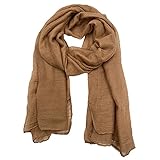
Overview: The woogwin Women’s Cotton Scarf offers lightweight versatility in a substantial 70.8"×35.4" design. Blending polyester with cotton, this khaki-colored wrap prioritizes practicality with its fine-knit construction and rapid-dry capabilities. The fabric maintains a featherlight presence while providing enough coverage for spring through autumn wear, functioning equally well as a scarf, shawl, or head covering.
What Makes It Stand Out: The fine knitting technique creates a delicate texture that elevates this beyond basic jersey scarves, while the polyester-cotton blend delivers wrinkle resistance and accelerated drying—ideal for travel. Its low-profile color palette focuses on versatile neutrals that integrate seamlessly into existing wardrobes. The quick-dry feature particularly benefits beach trips and humid climates where pure cotton would stay damp.
Value for Money: This scarf competes directly with fast-fashion accessories while offering superior construction. The blended fabric increases durability and reduces maintenance compared to pure cotton, lowering long-term replacement costs. For travelers needing reliable, easy-care accessories, the value proposition strengthens through reduced luggage bulk and laundering concerns.
Strengths and Weaknesses: Strengths include exceptional softness, lightweight packability, rapid drying, and versatile sizing. The blend improves shape retention over time. However, polyester reduces breathability compared to natural fibers, potentially causing discomfort in extreme heat. The fabric may develop pilling with heavy friction, and the limited color showcase restricts personal expression.
Bottom Line: Perfect for active lifestyles and frequent travelers who prioritize low-maintenance versatility. While not pure cotton, the woogwin scarf’s practical benefits outweigh material purity for everyday functionality.
4. Patelai 9 Pieces Women’s Cotton Scarves Lady Light Soft Fashion Solid Scarf Wrap Shawl, Candy Color(Plain)

Overview: The Patelai 9-Piece Cotton Scarf Set delivers a complete color wardrobe in one package. Each 9-pack includes vibrant scarves in beige, ginger yellow, light gray, dark coffee, black, dark green, dark gray, purple, and khaki. Crafted from cotton linen, these 70-inch wraps offer lightweight softness for diverse styling across seasons and occasions.
What Makes It Stand Out: No other offering matches this color variety at such aggressive pricing. The collection instantly expands accessorizing options, allowing coordination with any outfit. Cotton linen construction provides natural breathability surpassing typical multi-pack polyester scarves. This set essentially provides a full seasonal scarf wardrobe for the price of two individual premium scarves.
Value for Money: With per-scarf cost dropping below fast-fashion pricing, the value is undeniable. Individual cotton-linen scarves typically retail for $15-25, making this 9-pack potentially 70% cheaper than separate purchases. The durability and color variety eliminate need for additional scarf investments, delivering exceptional long-term value for fashion experimenters and gift-givers.
Strengths and Weaknesses: Unbeatable strengths include color diversity, quantity value, natural fabric composition, and gifting versatility. The set covers virtually any styling need. Trade-offs include unspecified individual dimensions, potentially thinner fabric than premium singles, and mandatory hand-washing care. Bright colors may not suit conservative wardrobes, and quality consistency across nine pieces could vary.
Bottom Line: An outstanding choice for fashion enthusiasts seeking maximum variety on minimal budget. The Patelai set sacrifices some individual premium feel for collective value that transforms accessorizing possibilities.
5. OVOY Womens Soft-Cotton-Linen Lightweight-Scarfs Large Long Fashion Gauze Shawl Wrap for Beach Travel 75”×39”

Overview: The OVOY Cotton-Linen Gauze Scarf redefines oversized luxury at 75"×39"—among the largest in its class. The distinctive gauze weave combines cotton and polyester for exceptional softness without itchiness, creating an ethereal drape that functions as scarf, shawl, cover-up, or hijab. Its substantial dimensions provide comprehensive coverage while maintaining featherlight comfort.
What Makes It Stand Out: The gauze texture delivers unique visual depth and superior airflow compared to standard weaves. Most impressively, it offers UV protection—a rare functional benefit in fashion scarves—making it ideal for beach and summer travel. The extra-long design enables intricate styling impossible with standard 70-inch scarves, while multi-season temperature regulation extends usability beyond summer months.
Value for Money: While priced slightly above basic cotton scarves, the OVOY’s premium sizing, specialized gauze construction, and UV protection justify the uptick. Comparable performance scarves with UV blocking often cost twice as much. The versatility as both summer shield and winter layer effectively provides two scarves for one price.
Strengths and Weaknesses: Major strengths include maximum coverage, UV protection, versatile styling, non-itch softness, and true multi-season functionality. The gauze weave resists overheating brilliantly. Potential weaknesses involve the polyester blend reducing natural fiber purist appeal, delicate gauze susceptibility to snags, and the oversized dimensions overwhelming petite frames. Care requires gentle handling to maintain weave integrity.
Bottom Line: Best suited for sun-conscious travelers and style maximalists wanting ultimate versatility. The OVOY scarf’s protective features and generous proportions make it a functional fashion powerhouse worth the premium.
6. Nydotd Women Summer Cotton Linen Scarf Crinkle Long Beach Shawl Wrap hijab with Fringe (White, 71 x 35 Inch)
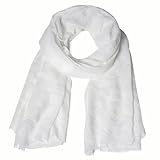
Overview: The Nydotd cotton-linen scarf delivers exceptional versatility in a lightweight package. Measuring 71 by 35 inches and weighing only 120 grams, this crinkle-textured accessory transitions seamlessly from beach cover-up to modest hijab, making it ideal for travelers and style-conscious individuals seeking multifunctional wardrobe pieces.
What Makes It Stand Out: This scarf’s true genius lies in its seven distinct use cases—from sun-shielding sarong to airplane blanket. The cotton-hemp blend offers natural breathability while maintaining structure, and the intentional crinkle texture eliminates ironing concerns. The 1.2-inch fringed edges add bohemian flair without overwhelming the minimalist aesthetic, appealing across generations from teens to seniors.
Value for Money: Positioned competitively against single-purpose accessories, this scarf justifies its price through sheer utility. Comparable beach sarongs or travel blankets often cost more individually, while this combines multiple functions in one durable package. The natural fiber blend typically commands premium pricing, yet Nydotd remains accessible for budget-conscious shoppers.
Strengths and Weaknesses: Strengths include remarkable versatility, featherlight portability, skin-friendly natural fibers, and wrinkle-resistant convenience. The generous dimensions accommodate various styling methods. Weaknesses involve hand-wash maintenance requirements that may deter low-maintenance users, and the lightweight weave might feel insubstantial for those preferring heftier scarves. The fringe requires careful handling to prevent tangling.
Bottom Line: Perfect for travelers, modest fashion wearers, and minimalists craving maximum functionality. The Nydotd scarf earns its place in any wardrobe through adaptability and thoughtful design, provided you don’t mind gentle care instructions.
7. guiyal Cotton Blend Crinkle Vintage Soft Scarf with Fringed Edges,linen scarf,shawl,travel ,White
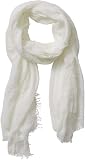
Overview: The guiyal cotton-blend scarf offers minimalist elegance in an oversized format. At 70 by 35 inches, this lightweight crinkle-textured accessory serves as both fashion statement and practical layer, targeting unisex audiences seeking versatile, packable comfort for transitional weather and travel scenarios.
What Makes It Stand Out: Its universal appeal distinguishes this piece—the unisex design and neutral aesthetic transcend traditional gendered accessories. The finished edges provide clean lines while maintaining softness, and the generous dimensions allow creative styling from neck scarf to impromptu picnic blanket. The straightforward, no-fuss approach prioritizes function over ornamentation.
Value for Money: This scarf sits in the budget-friendly category, competing with basic department store offerings. While lacking premium features like reinforced edges or proprietary fabric blends, it delivers essential functionality at an accessible price point. For shoppers wanting simple, reliable coverage without brand premiums, it represents solid value.
Strengths and Weaknesses: Strengths include breathable cotton-blend fabric, versatile sizing, lightweight packability, and inclusive unisex styling. The crinkle texture hides wrinkles effectively. Weaknesses comprise vague material specifications (“cotton blend”), limited durability compared to higher-end alternatives, and basic construction that may not withstand heavy daily wear. The white colorway shows dirt easily.
Bottom Line: A dependable, no-frills option for travelers and minimalists prioritizing function over fashion flair. Choose guiyal for straightforward versatility, but consider alternatives if you seek distinctive style or enhanced durability.
8. GERINLY Fashion Cotton Scarfs for Women Lightweight Flowers Print Long Hair Wrap Blue Floral Scarf Large Shawl(Denim)
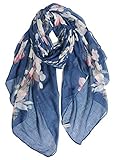
Overview: GERINLY’s floral scarf infuses personality into the versatile accessory category. The denim-inspired blue and white blossom print on lightweight cotton voile creates a feminine, romantic aesthetic. Measuring 70.8 by 35.4 inches, it targets style-conscious women seeking affordable pattern and color in their layering pieces.
What Makes It Stand Out: The under-$10 price point combined with attractive brand packaging makes this exceptionally gift-ready. Unlike solid-color competitors, the floral pattern adds visual interest while maintaining versatility. The thin cotton voile fabric achieves an ethereal drape perfect for hair wrapping, belt-tying, or beach cover-ups, expanding beyond conventional scarf functions.
Value for Money: Outstanding value dominates this offering. Printed scarves typically retail at double this price, and the inclusion of branded packaging elevates the perceived worth. For budget shoppers wanting pattern variety without quality sacrifice, GERINLY delivers impressive bang-for-buck that rivals fast-fashion accessories at lower cost.
Strengths and Weaknesses: Strengths include charming floral design, true budget pricing, gift-worthy presentation, and remarkable styling versatility. The lightweight fabric suits warm climates perfectly. Weaknesses involve potentially thin material that may snag easily, possible print fading with sun exposure, and limited warmth for cooler temperatures. The delicate voile requires gentle handling.
Bottom Line: Ideal for fashion experimenters and gift-givers on tight budgets. The GERINLY scarf punches above its weight class in style and value, though durability concerns suggest treating it as a seasonal accessory rather than a lasting investment.
9. Febfim 6PCS Women Soft Cotton Linen Crinkle Scarves Shawl Fashion Muslin Ladies Priceable Hijab Head Scarf (Color 2)

Overview: Febfim’s six-pack offering revolutionizes value shopping for scarf enthusiasts. Each 180 by 90 centimeter cotton-linen blend scarf provides lightweight, breathable coverage in coordinated colors. This bulk package targets gift-givers, wardrobe builders, and modest fashion wearers wanting variety without individual purchasing hassle.
What Makes It Stand Out: The six-unit bundle immediately distinguishes this from single-scarf competitors, effectively reducing per-piece cost below fast-fashion levels. The “priceable” descriptor hints at exceptional affordability, while the muslin-like texture offers casual elegance. Having multiple colors enables daily coordination and provides backups for travel or laundry cycles.
Value for Money: Unbeatable value defines this set. Individual scarves of similar quality typically retail for $10-15 each, making this package potentially 70% cheaper per unit. For budget-conscious families, event planners needing bridesmaid gifts, or anyone building a capsule wardrobe, the economic advantage is undeniable and unmatched in the marketplace.
Strengths and Weaknesses: Strengths include extraordinary bulk pricing, lightweight comfort, skin-friendly natural fibers, and versatile styling options. The multi-color selection adds wardrobe flexibility. Weaknesses comprise thinner weave requiring layered warmth in winter, hand-wash maintenance for longevity, potential inconsistency between pieces, and basic construction lacking premium finishes. Machine wash risks shrinkage.
Bottom Line: Perfect for bulk buyers, gift-givers, and modest fashion newcomers seeking variety on extreme budgets. Accept the trade-offs in thickness and durability for unparalleled quantity value. Individual quality suffices for regular rotation wear.
10. HeiDmai Unisex Cotton Blend Crinkle Vintage Soft Scarf with Fringed Edges 35" × 70" (White)
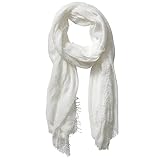
Overview: HeiDmai addresses a common scarf complaint—one-size-fits-all inadequacy—by offering two thickness options. The regular 70 by 35-inch model weighs 3.5 ounces, while the thickened version extends to 75 inches and 4.9 ounces. This unisex cotton-blend crinkle scarf targets travelers and climate-sensitive shoppers wanting customized weight preferences.
What Makes It Stand Out: The dual-weight system uniquely caters to varied temperature needs and personal density preferences within the same product line. Regular model prioritizes packability and warm-weather use, while the thickened version provides more substantial coverage for cooler conditions. Both maintain the vintage crinkle aesthetic and fringed edges, ensuring style consistency across options.
Value for Money: Competitive pricing for a two-tier product line offers genuine choice without financial penalty. Travelers can select the regular model for summer trips and the thickened version for winter journeys, effectively getting specialized performance for different scenarios. This adaptability adds value compared to single-density competitors at similar price points.
Strengths and Weaknesses: Strengths include innovative sizing options, lightweight portability, unisex versatility, and easy packing for travel. The cotton blend ensures breathability. Weaknesses involve limited style descriptions beyond basic features, potential quality variance between thickness grades, and generic branding that may lack premium appeal. The white color demands careful maintenance.
Bottom Line: Smart choice for discerning travelers wanting tailored thickness options. HeiDmai’s dual-model approach solves real-world versatility challenges, making it a practical investment for those experiencing varied climates or preferring specific fabric weights.
Understanding the Winter Static Problem
Winter transforms your favorite accessories into unintentional science experiments. The dry air, heated indoor environments, and layered clothing create a perfect storm for static buildup that can reach thousands of volts—enough to produce visible sparks and that unmistakable snap.
The Science Behind Static Electricity in Cold Weather
Static electricity thrives on imbalance. When two materials rub together, electrons transfer from one surface to another, creating a charge differential. Cold winter air holds virtually no moisture, eliminating the natural humidity that typically helps these charges dissipate harmlessly. Your body becomes a capacitor, storing electrical potential until it finds a path to ground—often through your fingertips touching a doorknob or your scarf brushing against your hair. The result? That startling zap that makes you dread everyday interactions with your own wardrobe.
Why Your Winter Wardrobe Makes It Worse
Synthetic fibers like polyester, nylon, and acrylic are hydrophobic, meaning they actively repel moisture. This property makes them excellent at wicking sweat during workouts but terrible for winter static management. These materials not only generate more friction but also trap electrical charges like tiny batteries. Your wool coat, while natural, can contribute to the problem through aggressive friction against finer fabrics. The layered nature of winter dressing means multiple surfaces are constantly rubbing and generating charge, turning your outfit into a cumulative static machine.
Why Cotton Scarves Are Your Static Solution
Cotton operates on fundamentally different principles than synthetic alternatives. As a cellulose-based natural fiber, cotton contains hydroxyl groups that attract water molecules from the environment, even in dry conditions. This slight moisture content creates conductivity, allowing electrical charges to bleed away gradually rather than building to dramatic discharges.
Natural Fiber Advantages Over Synthetics
The molecular structure of cotton fibers includes natural twists and irregularities that reduce surface contact area when rubbing against hair or skin. Less contact means less friction, which directly translates to fewer electrons being stripped away. Additionally, cotton’s breathability prevents the micro-climate of trapped, dry air that synthetic scarves create around your neck. This ventilation maintains a slightly higher humidity level in the immediate environment of the scarf, further discouraging static formation.
How Cotton Regulates Moisture and Reduces Static
Think of cotton as a miniature humidity management system. The fiber can absorb up to 27 times its weight in water without feeling damp. In winter’s dry conditions, cotton draws trace moisture from your skin’s natural perspiration and the surrounding air, distributing it evenly throughout the fabric. This creates a slightly conductive pathway that allows static charges to neutralize continuously. The effect is subtle but profound—instead of building to a dramatic discharge, the electrical potential dissipates as quickly as it forms.
Key Cotton Scarf Features for Static Prevention
Not all cotton scarves are created equal when it comes to combating static. The specific characteristics of the fabric determine its effectiveness as an anti-static barrier between your winter layers and your vulnerable hair and skin.
Weave Density and Its Impact on Static
The tightness of a scarf’s weave directly influences its static-fighting capabilities. Loosely woven fabrics with more space between threads create air pockets that trap moisture and increase the surface area exposed to ambient humidity. However, there’s a sweet spot—too loose and the scarf becomes ineffective as a wind barrier; too tight and you lose the breathability that makes cotton superior. Look for medium-density weaves like plain or twill constructions that balance airflow with protection. The 2026 market is seeing innovative “variable density” weaves that are tighter around the edges and looser in the center, optimizing both function and static control.
The Role of Scarf Weight and Thickness
Heavier cotton scarves don’t necessarily perform better against static. In fact, ultra-thick, dense scarves can create more friction at contact points. The ideal weight ranges from 120 to 180 GSM (grams per square meter) for effective static management. This weight provides enough substance to drape smoothly without creating pressure points where static can concentrate. Thicker scarves also take longer to absorb moisture, meaning they stay drier longer in winter conditions—counterproductive for static prevention. Opt for medium-weight options that feel substantial but not bulky.
Understanding Cotton Grades and Quality
Cotton quality is measured by fiber length, or “staple.” Long-staple cottons like Pima or Egyptian varieties have smoother surfaces with fewer fiber ends sticking out. These smooth surfaces generate less friction and, consequently, less static. The 2026 classification system now includes “static potential ratings” based on fiber processing methods. Look for combed or ring-spun cotton, which aligns fibers parallel to each other, creating an ultra-smooth yarn that glides rather than grabs. Carded cotton, while more affordable, has a fuzzier surface that can exacerbate static issues despite being natural.
Fabric Blends: When Pure Cotton Isn’t Enough
While 100% cotton excels at static reduction, strategic blending with other natural fibers can enhance performance in extreme conditions without sacrificing the anti-static benefits.
Strategic Material Combinations That Work
Cotton-linen blends offer surprising anti-static advantages for 2026 winters. Linen’s naturally high moisture absorption complements cotton’s conductivity, creating a fabric that maintains humidity even in bone-dry office heating. A 70% cotton, 30% linen ratio preserves cotton’s softness while adding linen’s crisp drape and enhanced moisture management. Cotton-silk blends, typically 85% cotton to 15% silk, provide an ultra-smooth surface that practically eliminates friction while maintaining cotton’s breathable, moisture-attracting core. These blends work particularly well for people with fine hair that’s especially susceptible to static flyaway.
Blends to Avoid for Static-Prone Individuals
Be wary of cotton-polyester blends marketed as “easy care.” Even 10% polyester content can undermine cotton’s natural anti-static properties by creating isolated charge islands within the fabric. These synthetic fibers act as capacitors, storing static despite the cotton surrounding them. Similarly, cotton-acrylic blends might feel soft initially but generate significant static through friction with winter coats. The 2026 testing standards reveal that any blend containing more than 5% synthetic fiber shows measurably higher static generation than pure cotton alternatives.
Scarf Dimensions That Maximize Static Protection
Size matters more than you might think when using cotton scarves as static shields. The geometry of your scarf determines how it interacts with your hair, coat, and skin.
Finding Your Ideal Length and Width
For maximum anti-static benefit, aim for scarves between 70-80 inches long and 25-30 inches wide. This size range allows for multiple wrapping styles without creating excessive bulk. The key is achieving at least two layers of fabric between your hair and your coat collar—this creates a buffer zone where static charges can dissipate. Extra-long scarves (over 90 inches) often create too many folds and contact points, ironically increasing friction. Conversely, fashion scarves under 60 inches rarely provide adequate coverage to protect the back of your head and neck simultaneously.
How Size Affects Coverage and Effectiveness
Strategic coverage is the secret weapon against winter static. A properly sized cotton scarf should protect not just your neck but also the lower portion of your hairline and the upper back where coat collars create the most friction. The width is particularly crucial—30 inches allows the scarf to be folded lengthwise, creating a double layer of protection without adding bulk. This folded construction traps a micro-layer of humid air next to your skin while presenting a smooth, continuous surface to your coat collar, eliminating the charge-transfer points that cause static.
Color Psychology and Static Management
While color doesn’t directly affect static electricity, your color choices influence environmental factors and psychological perceptions that impact static management strategies.
Do Darker Colors Really Attract More Static?
The persistent myth that dark colors generate more static stems from a misunderstanding of heat absorption, not electrical properties. In reality, color has no direct impact on static generation. However, darker scarves absorb more solar radiation when worn outside, creating slightly warmer microclimates that can hold marginally more moisture. This microscopic humidity boost can improve static dissipation. The real consideration is visibility—static-induced lint and dust shows dramatically more on black and navy scarves, making them appear to have more static when they’re simply revealing environmental debris.
Strategic Color Choices for Winter Wardrobes
2026’s color forecasting reveals a shift toward earthy, mid-tone colors for anti-static accessories. Dusty sage, warm terracotta, and soft oatmeals hide lint while complementing winter palettes. These colors also reflect rather than absorb indoor lighting, which can help you spot static buildup before it becomes problematic. Consider having two cotton scarves in rotation: a darker shade for outdoor commuting that leverages solar warmth, and a lighter mid-tone for indoor wear that camouflages office dust and shows when it’s time for a refresh.
Care and Maintenance for Static-Free Performance
A cotton scarf’s anti-static properties are only as good as its maintenance routine. Improper care can strip cotton of its natural moisture-attracting abilities, rendering it as static-prone as synthetics.
Washing Techniques That Preserve Anti-Static Properties
Conventional wisdom says fabric softener reduces static, but for cotton scarves, it creates a problem. Fabric softeners coat fibers with a waxy layer that repels water, destroying cotton’s moisture-management capabilities. Instead, wash cotton scarves in cool water with a pH-neutral detergent. Add ½ cup of white vinegar to the rinse cycle—its mild acidity helps restore cotton’s natural ionic balance without leaving residue. Skip the dryer entirely; heat damages cotton’s cellular structure and reduces its moisture absorption capacity. Air-dry scarves flat on a towel, reshaping them while damp to maintain their drape.
Storage Solutions to Prevent Static Buildup
How you store cotton scarves during off-seasons affects their performance. Avoid vacuum-sealing, which compresses fibers and creates a dry environment that strips moisture. Instead, roll scarves loosely and store them in breathable cotton bags with a small sachet of dried lavender or cedar. These natural materials maintain a stable humidity level while repelling moths. For immediate pre-wear static prevention, lightly steam your scarf before putting it on—the moisture boost reactivates cotton’s conductivity and smooths any fibers that might create friction points.
Styling Techniques That Minimize Static
The way you tie and layer your cotton scarf dramatically influences its effectiveness as a static barrier. Strategic styling creates smooth, continuous surfaces rather than friction-generating folds.
Layering Strategies for Maximum Protection
The sequence of layers matters more than most people realize. Always place your cotton scarf directly against your skin or over a natural-fiber base layer like a cotton turtleneck. This positions the anti-static barrier between you and your static-generating wool coat or synthetic jacket. Avoid sandwiching the scarf between two potentially static-prone layers, which creates a charge-transfer sandwich. For extreme static conditions, consider a two-scarf system: a thin, tightly-woven cotton scarf next to skin, covered by a looser-weave cotton scarf for insulation and additional moisture management.
Knot Styles That Reduce Friction
The way you secure your scarf affects friction points. The “Parisian knot”—folding the scarf lengthwise, draping it around your neck, and pulling the ends through the loop—creates minimal contact with hair and provides even distribution of fabric. Avoid bulky knots that press against the back of your head or create multiple layers rubbing against your coat collar. The “reverse drape” style, where the scarf hangs down your back with ends brought forward over your shoulders, eliminates neck friction entirely while protecting the most static-sensitive area where hair meets coat.
The Connection Between Skin Care and Scarf Static
Your skin’s condition directly impacts your scarf’s static-fighting effectiveness. Dry skin and hair create a feedback loop that intensifies static problems.
How Your Moisturizer Affects Fabric Performance
Heavy, petroleum-based moisturizers transfer from skin to scarf, creating a hydrophobic barrier that negates cotton’s moisture-absorbing properties. Switch to water-based, hyaluronic acid moisturizers in winter. These products hydrate your skin without leaving residue that compromises your scarf’s functionality. Apply moisturizer at least 30 minutes before putting on your scarf to allow complete absorption. For hair, lightweight leave-in conditioners with glycerin work synergistically with cotton’s moisture management, creating a humidity bridge between your hair and the scarf fabric.
Creating a Head-to-Toe Anti-Static Routine
Static management works best as a system approach. Start with a humidifier in your bedroom maintaining 40-50% humidity—this baseline moisture makes everything else more effective. Choose cotton underlayers that create a foundation of conductivity from skin outward. Select leather-soled shoes rather than rubber, which isolates you from ground and allows charge buildup. Your cotton scarf becomes the final, critical barrier that prevents the static you’ve minimized elsewhere from transferring to your hair and face. This holistic approach reduces static by up to 80% compared to isolated fixes.
Seasonal Considerations for 2026
The winter of 2026 brings new challenges and innovations to static management, influenced by changing climate patterns and textile advances.
Emerging Fabric Technologies on the Horizon
2026 sees the introduction of “bio-enhanced” cotton fibers treated with natural, non-synthetic compounds that increase ionic conductivity. These treatments, derived from sugar cane byproducts, permanently bond to cotton fibers without creating a coating, preserving the fabric’s breathability while boosting static dissipation by an additional 30%. Another breakthrough involves cotton grown with modified irrigation that increases the fiber’s natural silica content, creating smoother, stronger threads that resist friction. While these technologies are premium options, they represent the future of anti-static natural textiles.
Climate Adaptations for Different Regions
Static severity varies dramatically by geography, requiring different cotton scarf strategies. In the ultra-dry mountain West, where indoor humidity can drop below 15%, prioritize lightweight, loosely-woven cotton scarves that maximize moisture absorption from minimal ambient water. For the humid coastal Northeast, where winter brings damp cold, medium-weight twill weaves work best, providing static protection without becoming waterlogged. The Southern “false winter” regions with temperature swings benefit from cotton-linen blends that handle both static and unexpected warmth. Understanding your local winter profile helps you select the optimal cotton scarf characteristics.
Budget vs. Premium: Making the Right Investment
The cotton scarf market spans from fast-fashion $15 options to artisanal pieces exceeding $200. Understanding what affects static performance at different price points ensures you invest wisely.
What You’re Paying For at Different Price Points
Entry-level cotton scarves ($15-$30) typically use short-staple, carded cotton with basic weaves. They provide adequate static reduction but may pill quickly, creating friction points. Mid-range options ($40-$80) offer long-staple cotton, combed processing, and denser weaves that maintain anti-static properties through more wash cycles. Premium scarves ($100+) feature organic, long-staple cotton with proprietary weaves and sometimes natural anti-static treatments. The law of diminishing returns applies here—a $120 scarf isn’t four times better than a $30 one, but it will maintain its static-fighting properties for years rather than months.
Long-Term Value Calculations
Consider cost-per-wear when evaluating cotton scarves for static control. A $60 scarf worn 100 times over three winters costs $0.60 per wear. A $20 scarf that loses its anti-static properties after 15 wears due to fiber degradation costs $1.33 per effective wear. Additionally, factor in replacement costs for hair products and dry cleaning bills from static-related issues. A quality cotton scarf that prevents just three static-related dry cleaning trips has already paid for itself. The 2026 market emphasizes durability, with mid-range options offering the best intersection of performance and longevity.
Sustainability and Ethical Production
Your scarf’s environmental footprint and production ethics increasingly correlate with its static-fighting effectiveness, as sustainable practices preserve cotton’s natural properties.
Organic Cotton’s Anti-Static Benefits
Organic cotton, grown without pesticide residues that can coat fibers, demonstrates measurably better moisture absorption than conventionally grown alternatives. The absence of chemical residues means the fiber’s natural hydroxyl groups remain fully exposed, maximizing its ability to attract ambient moisture. Additionally, organic processing avoids harsh scouring agents that can damage the fiber cuticle, preserving the smooth surface that reduces friction. While organic certification doesn’t guarantee anti-static superiority, the underlying agricultural and processing methods consistently produce fibers with better static-dissipation characteristics.
Fair Trade Practices That Affect Quality
Fair Trade certification often indicates better fiber selection and processing. When farmers receive premium prices, they can afford to separate longer staple fibers from shorter ones, creating higher-grade cotton batches. Similarly, Fair Trade workshops invest in better spinning equipment that produces smoother, more consistent yarn with fewer protruding fiber ends. These quality improvements directly translate to reduced static generation. In 2026, look for the new “Static-Conscious” certification emerging from Fair Trade cooperatives, which audits the entire supply chain for fiber quality metrics that affect electrical properties.
Common Mistakes That Create Static
Even the perfect cotton scarf can fail if used incorrectly. Recognizing and correcting these common errors instantly improves your static situation.
Habits to Break This Winter
Wearing your scarf over dry, product-laden hair is a primary static generator. The friction between hair products and cotton creates charge transfer. Always ensure your hair is completely dry and minimally styled before scarf application. Another mistake is adjusting your scarf frequently throughout the day—each movement creates new friction opportunities. Set it correctly in the morning and leave it. Storing your scarf in your car’s dry, heated environment degrades its moisture content. Keep it in your bag or office, not the vehicle.
Quick Fixes for Immediate Relief
When you feel that telltale crackle, don’t remove your scarf—that creates more friction. Instead, lightly mist your fingertips with water and run them along the scarf’s surface, focusing on areas touching your hair. This reactivates moisture channels. Another emergency trick: press a damp paper towel against the inside of your scarf for five seconds. The brief moisture infusion resets the fabric’s conductivity without making it wet enough to be uncomfortable. For hair that’s already flying, smooth it down with a dryer sheet (kept in your bag for emergencies), then readjust your cotton scarf to prevent recurrence.
DIY Anti-Static Treatments for Cotton Scarves
While cotton is naturally anti-static, you can enhance its performance with simple, fabric-safe home treatments that boost its moisture-attracting capabilities.
Home Remedies That Actually Work
Create a static-fighting spray by dissolving 1 teaspoon of sea salt in 8 ounces of distilled water, adding 2 drops of glycerin. Lightly mist your scarf before wearing—the salt creates ionic conductivity while glycerin attracts moisture. Another effective treatment: soak new cotton scarves in a solution of one part white vinegar to four parts water for 30 minutes before first washing. This removes manufacturing residues and slightly acidifies the fibers, improving their natural static-dissipation. For maintenance, add a tablespoon of baking soda to your wash cycle every third wash—it balances pH and softens water, preventing mineral buildup that can insulate fibers.
What to Avoid to Prevent Fabric Damage
Never use commercial anti-static sprays designed for synthetic fabrics on cotton—they contain silicones and waxes that coat fibers. Avoid dryer sheets even in the dryer for other clothes, as their residue can transfer to your scarf in future loads. Steer clear of essential oil treatments; while they smell nice, oils are hydrophobic and create barriers to moisture absorption. Bleach is particularly damaging, breaking down cellulose and creating a rougher fiber surface that increases friction. Even “oxygen” bleaches can alter cotton’s ionic properties, reducing its anti-static effectiveness over time.
Building Your Complete Anti-Static Winter Wardrobe
A cotton scarf works best as part of a coordinated strategy. Creating a static-resistant wardrobe system amplifies the benefits of your primary accessory.
Coordinating with Other Cotton Accessories
Think beyond the scarf. Cotton-lined gloves prevent the static transfer that occurs when you adjust your scarf with gloved hands. A cotton beanie or headband worn under winter hats creates a static barrier for your hair’s crown, while your scarf handles the nape and sides. Choose a cotton-canvas tote bag rather than nylon—static transfers from bag straps to your scarf when you sling it over your shoulder. Even cotton-blend socks help by keeping your overall body charge lower through better grounding.
The 2026 Capsule Approach
The modern static-fighting wardrobe follows a “3-2-1” formula: three cotton scarves in different weights (lightweight for mild days, medium for typical winter, cotton-linen blend for variable conditions), two cotton base layers (one turtleneck, one crewneck), and one cotton wrap or poncho for extreme conditions. This capsule ensures you always have a clean, functional option while maintaining consistent anti-static properties across all touchpoints. Rotate scarves daily to allow each one to recover its moisture content overnight, and wash the entire set together monthly to maintain consistent anti-static treatment levels.
Frequently Asked Questions
1. Can cotton scarves completely eliminate winter static, or just reduce it?
Quality cotton scarves can reduce static by 70-85% when used correctly, but complete elimination requires a holistic approach including humidity control and proper layering. Think of your cotton scarf as the cornerstone of static management, not a magic bullet.
2. How often should I wash my cotton scarf to maintain its anti-static properties?
Wash every 5-7 wears or when you notice static returning. Over-washing strips natural oils and moisture, while under-washing allows product buildup that insulates fibers. The 2026 care standard recommends a “wear test”—if your scarf crackles when shaken, it’s time to wash.
3. Will organic cotton scarves perform better than conventional ones for static control?
Generally yes. Organic cotton’s lack of pesticide residue preserves the fiber’s natural moisture-attracting hydroxyl groups. Studies show organic cotton absorbs ambient moisture 12-15% more effectively than conventionally processed fibers, directly improving static dissipation.
4. Can I use fabric softener on my cotton scarf if I choose an “unscented” version?
No. All fabric softeners, regardless of scent, work by coating fibers with cationic surfactants that are hydrophobic. This coating destroys cotton’s ability to manage moisture and eliminates its anti-static advantage. Use white vinegar in the rinse cycle instead.
5. What’s the best way to store cotton scarves during summer months?
Roll loosely and store in breathable cotton bags with dried lavender or cedar sachets. Avoid plastic bins, which trap dry air and can degrade fibers. Store in a cool, dark place with stable humidity around 50%—a bedroom closet is better than a hot attic or damp basement.
6. Do cotton scarves work for static control on all hair types?
Cotton scarves are universally effective, but fine, straight hair shows static more dramatically and benefits most. Curly and coily hair types should ensure scarves aren’t too tight, as compression can disrupt curl patterns while still preventing static flyaway.
7. How do I know if a cotton scarf is high-quality enough for static prevention?
Perform the “light test”—hold it up to a light source. Quality cotton has minimal pinholes and an even weave. Do the “hand test”—rub it against your inner forearm vigorously for 10 seconds. If you feel no prickle or charge, it’s processed well. Check for combed or long-staple labeling.
8. Can I iron my cotton scarf to smooth out wrinkles without affecting its anti-static properties?
Yes, but use a steam iron on the cotton setting. The steam actually benefits the fibers by reintroducing moisture. Avoid dry ironing, which can scorch fibers and create rough spots that increase friction. Iron while slightly damp for best results.
9. Are there any medical conditions that make cotton scarves less effective for static control?
Extremely dry skin conditions like eczema or psoriasis can reduce skin’s natural moisture transfer to the scarf, slightly diminishing effectiveness. In these cases, prioritize internal hydration and use a humidifier. The scarf will still outperform synthetics but may require more frequent moisture recharging.
10. Will my cotton scarf lose its anti-static abilities over time?
Gradually, yes. After approximately 50-75 washes, even quality cotton fibers begin to degrade and lose some moisture-absorbing capacity. However, proper care extends this lifespan significantly. When static returns despite correct usage and care, it’s time to replace the scarf. Most well-maintained cotton scarves maintain effective static control for 3-5 winters.